
MGS 2026 Appier Recap: Agentic AI Ad Creative Optimization
You picked the ad creative with the best install rate, so why aren't sign-ups and revenue following? When you crown a winner based on a single funnel metric, you keep producing more of the same while conversions leak quietly at the next step.
Agentic AI creative optimization is a loop in which AI reads your ads, diagnoses where the funnel is stuck, generates new variations, and learns from the results. This post recaps "From Creative to Conversion: Scaling Up with Agentic AI," a MAIN HALL session at Modern Growth Stack (MGS) 2026 presented by Bohyuk Lee of Appier Korea.
The daglo marketing team attended MGS 2026 in Seoul, transcribed the sessions with daglo, and reread them to pull out what marketers can use right away. Two numbers framed this talk: the hit rate for finding a winning creative is just 5 to 8%, and taking a single video ad from planning to test takes about 7 days on average.
Targeting moved from "who" to "what to show"
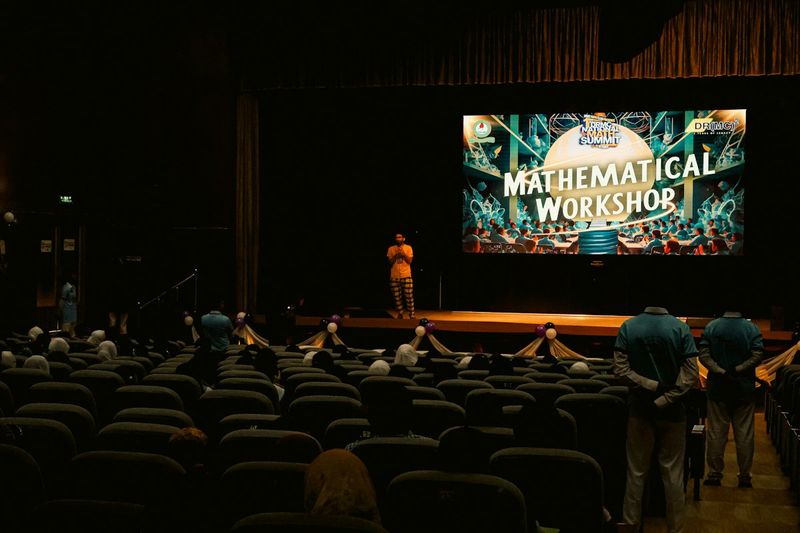
The speaker argued that performance advertising no longer competes on finding the right users. Audience targeting has become table stakes for every media platform, and the real edge now lies in which creative you show those users and how you change it.
- Inventory targeting: A travel campaign ran on travel blogs and related placements. The question was where to appear.
- User targeting: As apps multiplied, finding the right person became the priority.
- Creative optimization: With generative AI, the question shifted from "which type of creative should we run?" to "which part of this creative should we change, and how?"
Today's winner can lose at the next stage
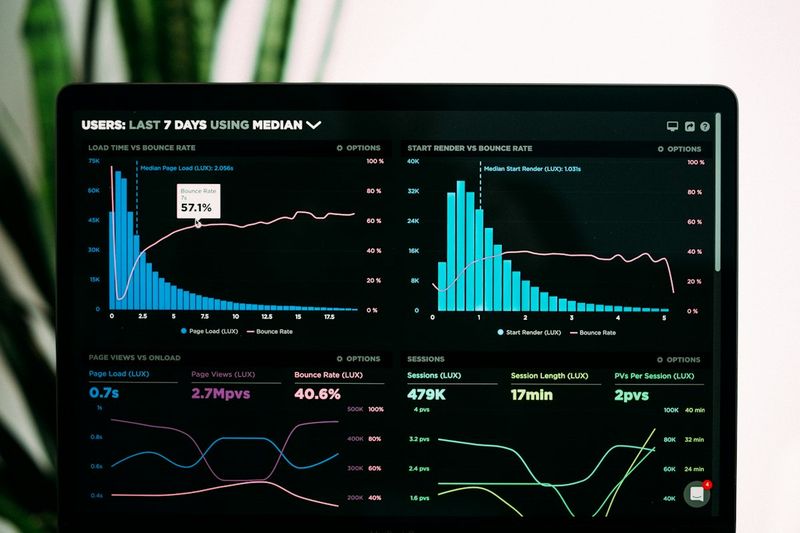
Judge creatives stage by stage, not with a single win or loss. An ad that wins on installs can lose on sign-ups, and the "loser" may have strengths of its own, such as a higher click-through rate.
Omio, a European travel booking platform, tested two directions in the same campaign:
| Price message | Pain-point message | |
|---|---|---|
| Concept | Low fares such as 2, 3, or 5 euros | Narrates messy European transit, then shows booking it all in one app |
| Strength | Higher CTR | Higher installs per mille (IPM) |
| Weakness | Lower install rate | Lower sign-up rate after install |
| Fix | Align the ad message with the store page | Lower sign-up friction, add sign-up incentives |
Marketers used to focus on outcomes; now they focus on why a creative performed the way it did. The diagnosis follows three steps: read the signal, find the gap, act.
- High hook rate, low CTR: The ad grabbed attention but the message was unclear. Rework the key message.
- High CTR, low conversion: The ad sparked curiosity but the landing page broke the promise. Match the two messages.
- Converted, then churned: Right audience, not enough refinement. Tighten targeting.
To find the bottleneck, start from conversions = impressions × CTR × CVR. If clicks are scarce, improving CVR won't move conversions. If clicks are plentiful but conversions aren't, pushing CTR higher only sends more people to a leaky landing page.
How an agentic AI creative engine works

An agentic creative engine targets three problems: low hit rates, slow production, and too little data to learn from. The AI analyzes existing ads, generates new ones for a specific goal, and feeds the results back into the next round.
- Read: A vision-language model breaks each ad into format, hook, tone, audience, design, and motion. Learnings are pooled by vertical (travel, entertainment, and so on) rather than by campaign, so best practices build up without exposing any single brand's data.
- Create: The engine diagnoses a source video's winning points and produces new versions aimed at the best CVR, CTR, or IPM. It draws on industry best practices, brand guidelines read from the brand's website and app store pages, and past performance data and KPIs.
- Review: Every generated ad is tagged with what changed and why, and the dashboard shows the AI's reasoning. The marketer makes the final call.
One full cycle from generation to review takes about 14 days, and the system keeps learning from live performance instead of running once and stopping.
Measure incrementality all the time, not once
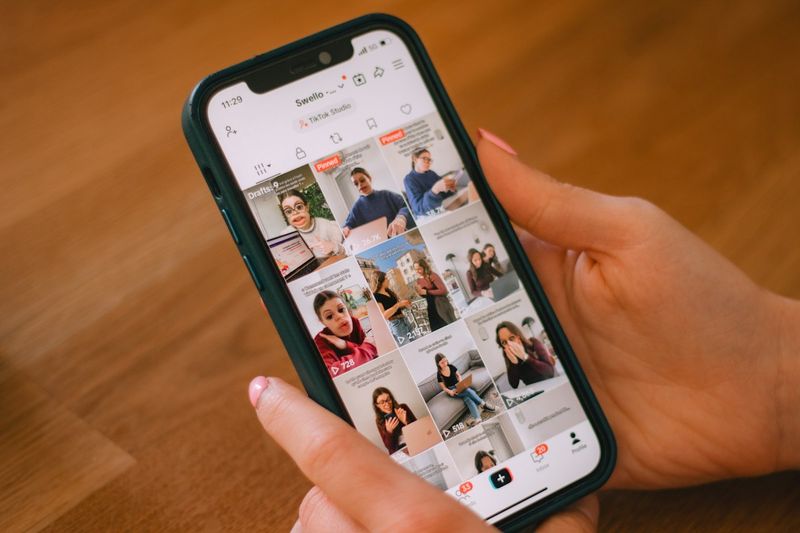
Incrementality asks whether a channel truly drives conversions. Marketers often avoid testing it because switching ads off feels risky, so Appier keeps a small control group running at all times instead.
- Classic methods such as geo-lift tests, pausing campaigns, holdout groups, and ghost bidding involve heavy manual work, and teams fear what happens if nothing changes when ads go dark.
- Using a marketing mix model built on Google's open-source Meridian, Appier serves 90% of impressions normally and holds back 10% as a control group.
- The difference becomes an Incremental Score (I-Score), calculated per creative group, creative, and inventory. Budget shifts automatically toward placements with proven lift.
A European calorie-tracking app using this approach recorded 10% incremental revenue and a 168% incremental ROAS. It concentrated spend on in-app interstitial video, where lift was confirmed, and kept low-cost banner ads running to stay visible.
Takeaways: a checklist for your next creative review
The lesson is that scaling creative starts with diagnosing where the funnel is stuck and recording why each change was made, not just producing more ads. With a 5 to 8% hit rate, creative work becomes a question of testing often and learning fast.
- Do you track creative results separately for impressions, clicks, conversions, and retention?
- Have you confirmed whether your current bottleneck is CTR or CVR?
- Do AI-generated ads come with a record of what changed and why?
- Could a small, always-on control group replace risky on/off tests?
daglo's Speaker ID is handy for recordings where knowing who said what matters, like multi-speaker sessions and Q&A. It remembers a voice once you name it and fills in that real name instead of "Speaker 1" in future transcripts, and daglo is the first in Korea to offer this to every user.
For more sessions, see our full MGS 2026 recap. Event details are on the official MGS site.
#MGS2026 #ModernGrowthStack #AgenticAI #AdCreative #CreativeOptimization #PerformanceMarketing #Incrementality #UserAcquisition
Where talk becomes work.
Get started with 1,000 credits a month — no credit card required.