
RevenueCat at MGS 2026: 3 Hidden Causes of Subscription Churn
What if a third of the churn on your dashboard has nothing to do with value, and everything to do with failed payments? Misread the cause, and you can pour budget into retention campaigns while revenue keeps leaking out the back door.
On day one of MGS 2026 (Modern Growth Stack Week 2026), Jaewoong Eom of RevenueCat took the MAIN HALL stage with a talk on the engineering problems hiding behind app growth. RevenueCat runs subscription infrastructure across app stores, and the talk drew on RevenueCat's State of Subscription Apps report, which analyzes subscription data from about 120,000 apps.
The daglo marketing team attended MGS 2026, transcribed the sessions with daglo, and went back through the transcripts to write these recaps.
The subscription app market is splitting in two

To understand subscription app churn, start with the market. New subscription apps went from 2,000 a month three years ago to 15,000 a month today, a 7x jump, and both acquisition costs and churn rose with it.
Same year, same market, very different outcomes:
| App tier | Revenue change |
|---|---|
| Top 10% | +306% |
| Top 25% | +80% |
| Bottom 25% | -33% |
The speaker's point: the gap isn't only about growth strategy. It's about how quickly and reliably a team can execute that strategy. He then named three forms of invisible technical tax that slow execution down and never show up on a dashboard.
Hidden cause #1: involuntary churn from failed payments
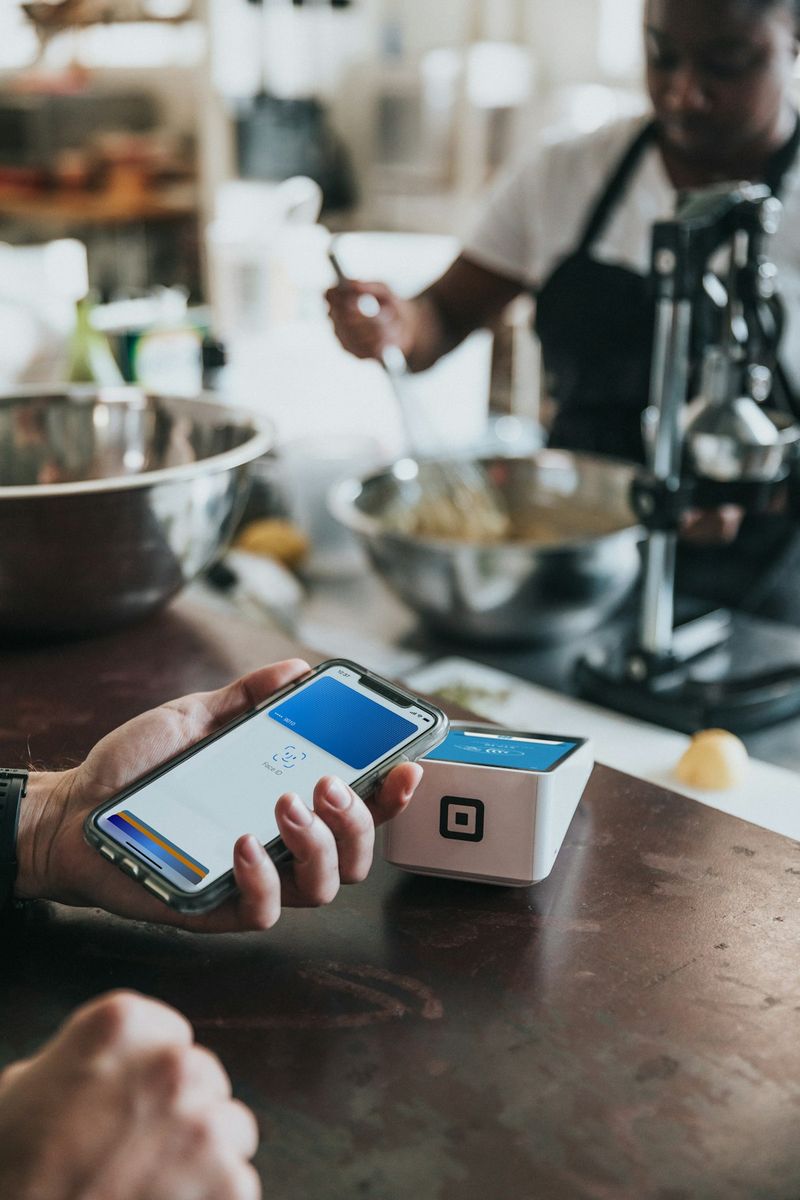
Billing errors account for 32.2% of subscription cancellations on Google Play and 15.2% on the App Store. In other words, one in three Android subscribers who leave didn't choose to. Their payment simply failed.
The catch is that this churn hides well. When you ask users why they cancelled, only 3 to 7% mention a technical problem. People don't realize their card was declined, so they quietly drop off, and the dashboard files it under "value" or "product." The danger zone is the first renewal: roughly half of monthly subscribers and three out of four annual subscribers never make it past it.
The talk laid out three recovery levers:
- Grace periods and store retries: one failed charge shouldn't end a subscription. Give users time to fix their payment method while access continues.
- Real-time failure alerts: trigger a win-back message the moment a charge fails, and track failed-payment churn as its own segment.
- An in-app self-service center: let users update cards and check billing dates inside the app.
Recovery works. About 20% of monthly churners come back, and that rate holds at 20 to 24% across regions. Cancellations also spike to 9 to 14% right before the 12-month renewal in every category, which means you can prompt users to update payment details ahead of time.
Hidden cause #2: paywalls and first-session tests stuck in release cycles

Half of all paid conversions (50.6%) happen on day one, and 72% in productivity apps. Yet the paywall, trial length, and onboarding that decide day one are usually hard-coded into the app, so testing them is slow.
Trial length made a big difference:
| Trial length | Day-one cancellation | Trial-to-paid conversion |
|---|---|---|
| Short trials | 55% (3-day trials) | 25.5% (4 days or less) |
| Long trials | 31% (30-day trials) | 42.5% (32 days) |
Long trials convert about 1.7x better, yet the share of apps offering four days or less grew from 42% to 46%. And 60% of paywalls just show two plans. Not because other levers don't work, the speaker said, but because changing a single line of copy means going through development, QA, app review, and waiting for users to update. In his words, a change that takes an hour on the web becomes a two-week project on mobile.
His answer was server-driven UI: define screens in a dashboard and let the app render them in real time. Examples from the talk:
- Reverse trial: unlocking everything up front and downgrading to free afterward lifted premium conversion from 0.4% to 4.5%.
- Duolingo: cut its trial from 14 to 7 days, doubling how many experiments it could run in the same period. Trial length is a conversion lever and a learning-speed lever.
- A Japanese service: the identical paywall lifted revenue 20% in Japan and failed in the US.
Hidden cause #3: entitlements that break across devices

A loyal subscriber logs in on a new phone and gets asked to subscribe again, or an iPhone purchase won't unlock on the web. Most of them just leave, and the dashboard records it as ordinary churn.
This gets worse as you grow: 41% of top-earning apps also make money on the web, compared with 1.3% of small apps.
There's a quieter leak, too. Google Play offers six proration modes for plan changes, and picking the wrong one can hand out unintended free premium time. In the speaker's example, 10,000 users upgrading from $9.99 a month to $99.99 a year could cost about $50,000. The fix is to tie entitlements to the user account, not the device or store, so every platform reads the same subscription state.
A checklist for subscription growth teams
All three problems share one trait: they show up on the dashboard as plain churn. The good news is that once you can see them, you can fix them. Here's what we took away:
- Split cancellations into voluntary and failed-payment churn.
- Track first-renewal pass rate as its own metric.
- Check whether paywalls and onboarding can change without a release.
- Decide what your trial length optimizes for. Conversion rate and learning speed pull in different directions.
- Recheck winning tests after three to six months. Refunds and cancellations can flip the result.
- Confirm entitlements are tied to accounts.
The speaker was clear that this isn't about blaming engineering. Simply spotting these issues on the growth side and turning them into problems engineers can solve goes a long way.
For recordings where who said what really matters, like sessions with several speakers or long Q&A, Speaker ID comes in handy. It remembers voices and fills in real names instead of "Speaker 1" from the next recording on, and daglo is the first service in Korea to offer it to every user. Learn more about Speaker ID
For the rest of the sessions we attended, see our full MGS 2026 recap. Event details are on the official MGS 2026 site.
Where talk becomes work.
Get started with 1,000 credits a month — no credit card required.